You're Selling Gym Equipment and Supplements on Social Media. Here's Why You're Losing Sales (And How to Fix It)
You're posting everywhere. But sales aren't matching the effort.
You sell gym equipment — treadmills, weights, benches, resistance bands. Or supplements — protein powder, creatine, BCAAs, fat burners. You're on Facebook groups, Instagram Reels, TikTok, maybe even Reddit fitness communities. You post product videos, before/after transformations, price lists.
You get likes. Comments. Shares. DMs. It feels like you're building something.
But here's the question that keeps you up at night: why aren't more of those people actually buying?
You're doing the hard part — creating content, building an audience, getting attention. But you're missing the one thing that turns browsers into buyers: a place where they can actually shop.
The hidden cost of selling fitness products only on social media
Problem 1: Your content is scattered across platforms
You posted a treadmill video on TikTok. A protein powder bundle on Instagram Reels. Weight plates on Facebook Marketplace. A customer saw the treadmill on TikTok, but now they want to compare prices with the weight plates. They have to search your TikTok, then your Instagram, then your Facebook. Most give up.
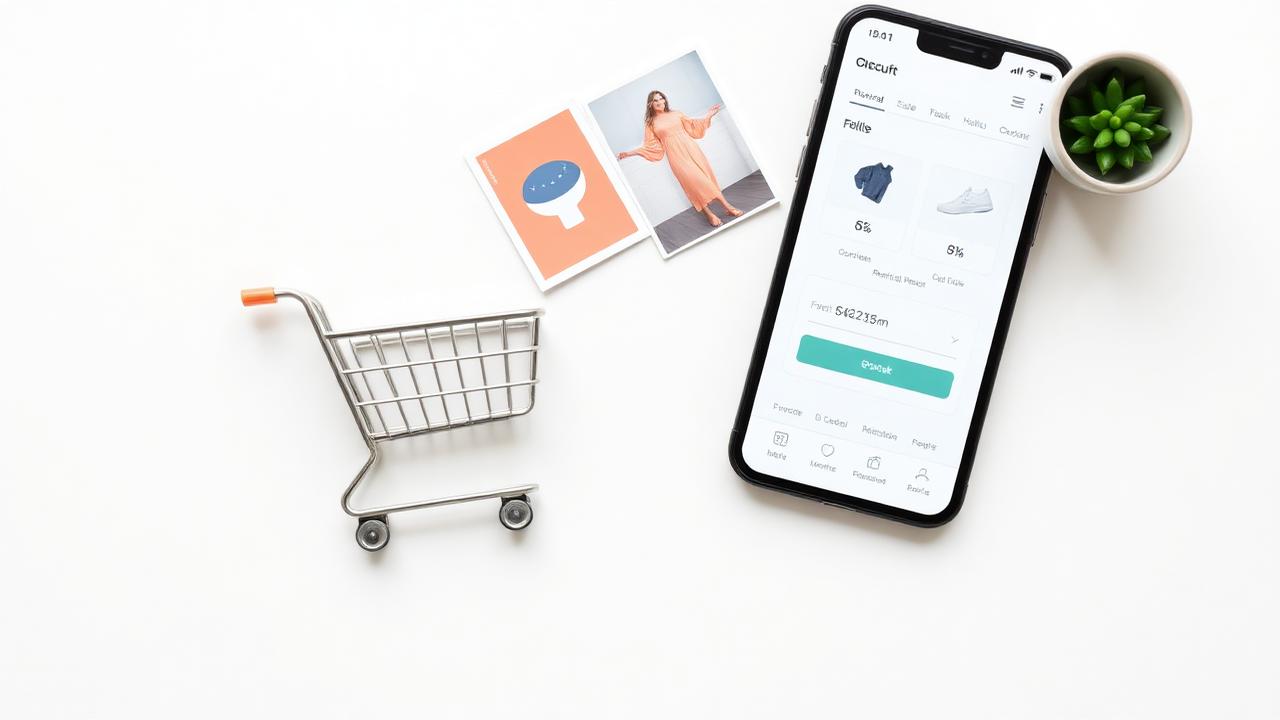
The fix: A website puts everything in one place. A customer sees your TikTok, clicks your bio link, and lands on your website where ALL your products are organized. Treadmills. Weight plates. Protein powder. All searchable. All shoppable. No platform hopping.
Problem 2: You answer "how much?" hundreds of times across platforms
Facebook comment: "Price?" Instagram DM: "How much for protein?" TikTok comment: "Cost?" Reddit DM: "Shipping to Mombasa?" You're typing the same answers over and over. Every minute you spend answering basic questions is a minute you're not creating content or fulfilling orders.
The fix: A website answers these questions automatically. Every product has: price, specifications, shipping info, stock status. Your social media becomes about showcasing products, not answering catalog questions. "Link in bio for full details and pricing."
Problem 3: You lose the "I'll check later" customer
Someone sees your protein powder on Instagram Reels at 2pm during work. They think "I'll buy later." By 8pm, they've scrolled past 500 posts. They forgot your brand. They buy from a competitor who had a website they could bookmark.
The fix: A website is bookmarkable. Email capture is possible. "Save my site" or "Enter email for 10% off" turns a casual viewer into a trackable lead. You can follow up. They can come back. You don't lose them to the scroll.
Problem 4: Each platform has different rules, different audiences, different formats
Facebook allows longer descriptions. Instagram is visual. TikTok is video. Reddit values detailed reviews and honest answers. You're managing multiple content strategies, multiple comment sections, multiple DMs. It's exhausting and inefficient.
The fix: A website is YOUR platform. You control the rules. You control the experience. Social media drives traffic there. The website converts that traffic into customers. One system. One checkout. One customer database. Not five scattered platforms.
Problem 5: Serious buyers (gyms, trainers, bulk customers) don't buy from social media
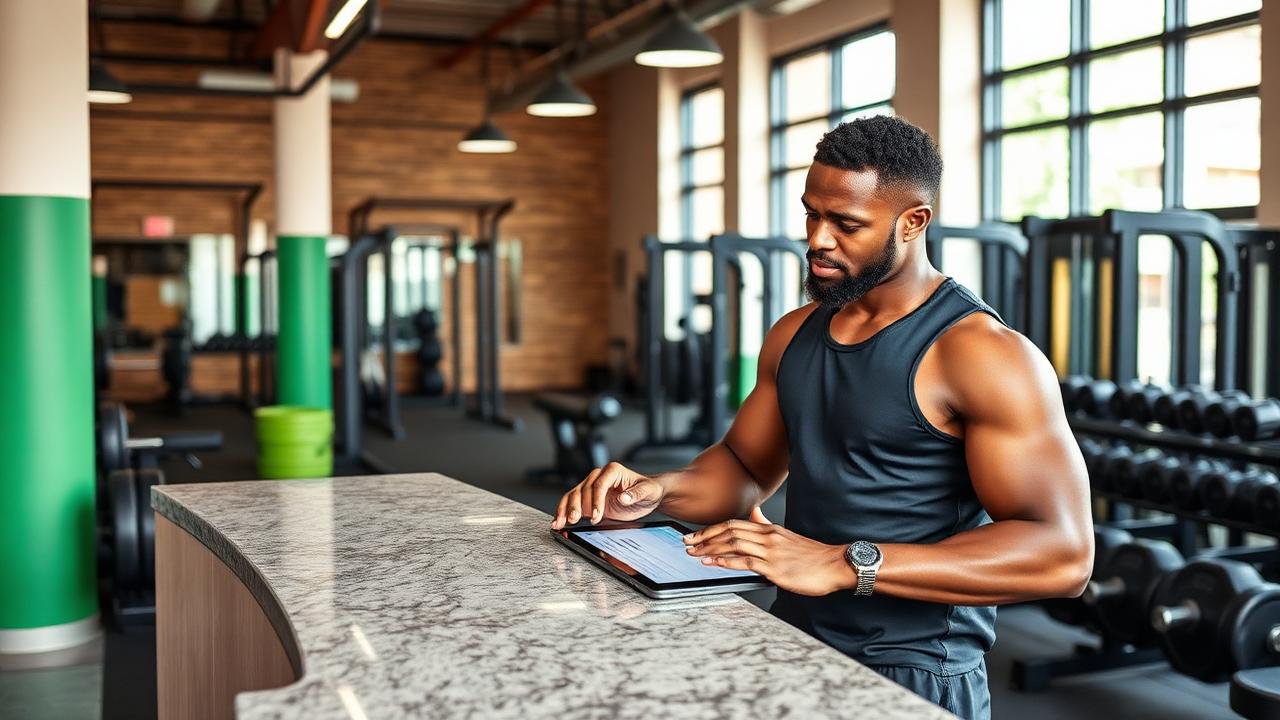
A gym owner needs 10 treadmills and 200kg of protein powder. They're not going to DM you on Instagram. They want a professional website with bulk pricing, a quote form, and a phone number. They want to see you're a real business, not someone selling from their living room.
The fix: A website with a "Bulk Orders" page, a business email, your physical address, and your registration number signals legitimacy. Gym owners buy from businesses, not Instagram pages.
Problem 6: TikTok and Instagram algorithms decide who sees your products
You post a great video. It gets 10,000 views. Next post? 200 views. The algorithm giveth, and the algorithm taketh away. You have no control. No stability. No way to reach the same audience consistently.
The fix: A website gives you an owned audience. Every person who visits can be captured via email or SMS. You build your own list. You control the relationship. The algorithm can't take that away.
Problem 7: No shopping cart means abandoned interest
Someone wants a weight bench, resistance bands, and protein powder. Three separate DMs. Three separate payments. Three separate shipping conversations. Or worse, they ask for total price, you calculate, they say "let me think" — and you never hear from them again.
The fix: A website has a cart. Add all items. See total price. Pay once. One checkout. One shipping calculation. One receipt. No back-and-forth. No manual calculations. No abandoned conversations.
What a simple fitness e-commerce website actually does for you
I'm not talking about a KES 200,000 custom platform. I'm talking about a simple website that does these six things:
1. Organizes your products so customers can actually browse
Categories: "Cardio Equipment," "Strength Training," "Accessories," "Protein," "Vitamins," "Bundles." Search bar. Filters for price, brand, type. Customers find what they want in seconds, not minutes.
2. Shows pricing and details without you typing a word
Each product has: price, brand, specifications, shipping weight, stock status, and high-quality photos. Your DMs become "I want to buy item #103" instead of "how much?"
3. Captures emails for follow-up
Someone browses your protein powders. Before they leave, a popup: "Get 10% off your first order. Enter email." Now you have permission to send them offers, new arrivals, restock alerts. You build an audience the algorithm can't take away.
4. Takes payments automatically
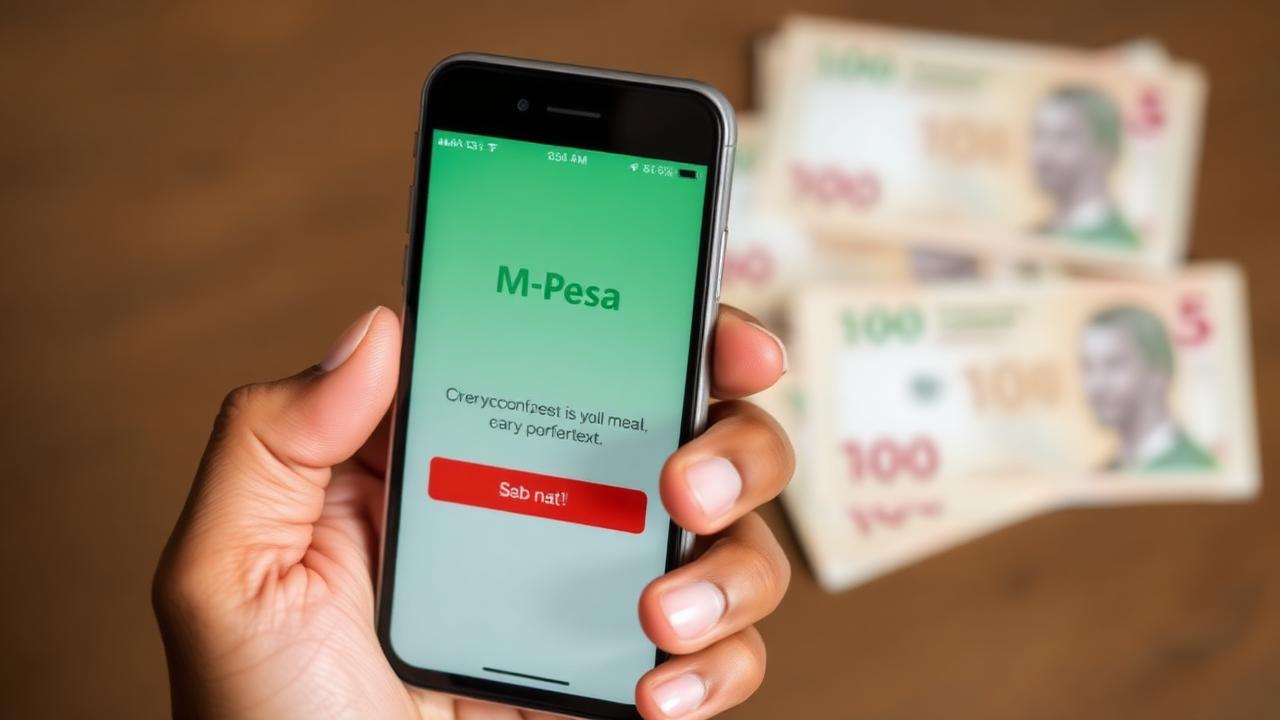
M-Pesa STK Push integration. Customer enters phone number. Gets prompt. Enters PIN. Done. No manual payment tracking. No "did you receive the money?" No reconciliation headaches.
5. Shows social proof from across your platforms
Embed your best TikTok reviews. Show Instagram testimonials. Display Reddit mentions. A website aggregates all your social proof in one place, showing new visitors that real people love your products.
6. Works with your social media (not against it)
Each platform becomes a traffic driver to your website, not a separate storefront:
- TikTok: Product demo videos → "Link in bio to buy"
- Instagram: Before/after transformations → "Shop now" sticker
- Facebook: Community posts, customer spotlights → Link to product pages
- Reddit: Honest reviews, answer questions → "More details on our site"
What you actually need (and what it costs)
A simple fitness e-commerce website for a supplier selling on social media includes:
- Homepage: Your brand, featured products, bestsellers, new arrivals
- Shop page: All products with categories, filters, search
- Product pages: Photos, price, specs, add to cart, buy now
- Cart and checkout: M-Pesa STK Push, order summary, shipping calculator
- About page: Your story, why you started, your suppliers, quality promise
- Bulk orders page: For gyms and trainers — quote request form
- Contact page: WhatsApp, phone, email, physical address (if you have one)
- Mobile-first design: Works perfectly on phones (where most customers browse)
Cost: KES 50,000 - 100,000 one-time. Monthly hosting: KES 3,000 - 6,000. Payment gateway fees: ~2% per M-Pesa transaction (same as you're paying now).
Compare that to what you spend on social media ads, your time answering "how much?" questions, and lost sales from abandoned interest. A website pays for itself with one good month of sales.
How your social media changes once you have a website
Right now, your social media is trying to do everything: build awareness, answer questions, process orders, handle customer support. It's too many jobs for one channel.
With a website, each platform does what it does best:
TikTok
Before: Product video with "DM to order" — you spend hours answering DMs.
After: Product demo with "Link in bio to shop" — website handles the rest.
Before: Posts with "price in comments" — comments section is chaos.
After: Shoppable posts — tap product, buy on website.
Facebook Groups
Before: "Check my catalog" posts — buried in group history.
After: "We're running a discount this week — link in comments" — group members click through.
Before: Can't self-promote without getting banned.
After: Answer questions genuinely, help people, then "We have a detailed guide on our site" — valuable content, not spam.
Real example: Supplement seller who made the switch
One supplement seller we worked with had 50,000 followers across TikTok and Instagram. He posted daily. DMs were constant. But he was frustrated because most inquiries never converted.
We built him a simple e-commerce website. Cost: KES 70,000. Here's what changed in 3 months:
- He added "Link in bio to shop" to every video and post
- Website visits: 8,000+ in first 3 months
- Email leads captured: 1,200+ (10% discount offer)
- Orders via website: 340
- Average order value on website: KES 4,200 vs KES 2,500 on DM (people add more to cart)
- Time spent answering "how much?" DMs: 15 hours/week → 2 hours/week
His social media engagement didn't drop. His DMs actually decreased because customers started using the website. He got his time back AND increased sales by 60%.
Still not sure? Here's what to do next
If you're reading this and thinking "maybe, but I'm not ready," that's fine. Here's a no-pressure way to test:
- Send us your social media handles on WhatsApp. We'll look at your products, your audience, your current setup — and tell you (for free, no obligation) what a simple website would look like for you specifically.
- We'll send you a mockup. We'll show you what your website could look like — same brand, same products, same colors — as a working demo.
- You decide. No pressure. No pushy sales. If it makes sense, we build it. If not, you walk away with a clearer idea of what you need.
Message us on WhatsApp with your social media handles. That's it. No deposit. No commitment. Just a conversation.
Or see our E-commerce Package to understand what's included for fitness products.